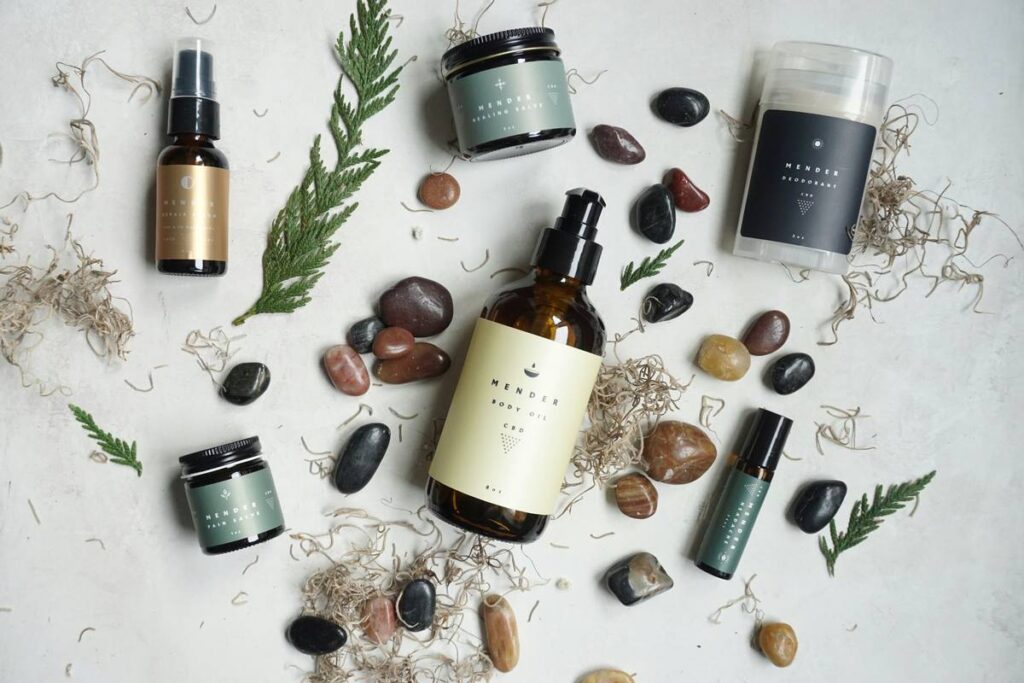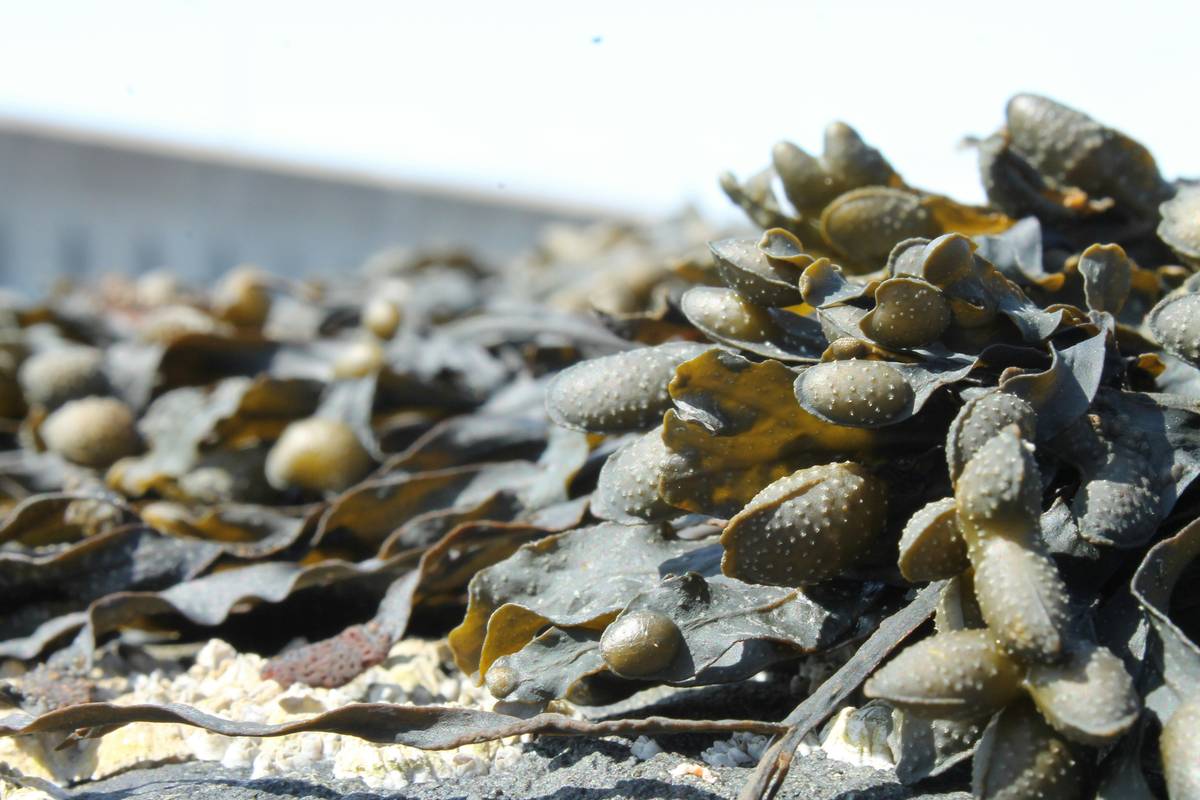
Ever slathered on a “natural” face mask only to wake up with redness, itching, or worse? You’re not alone. In the booming world of organic beauty, not all green ingredients are created equal—especially when it comes to green marine plants. Packed with minerals, antioxidants, and hydrating compounds, these ocean-sourced powerhouses can transform your skin… if used correctly. I learned this the hard way after using raw, unprocessed seaweed straight from a beachside vendor (yes, really). My face looked like I’d tangled with a jellyfish. Thankfully, science—and better sourcing—has my back now. In this guide, we’ll explore how to safely and effectively harness the benefits of green marine plants in your skincare routine, backed by research and real-world experience.
Table of Contents
- Why Green Marine Plants Matter in Skincare
- How to Use Organic Seaweed Safely: A Step-by-Step Guide
- Best Practices for Marine-Based Beauty Routines
- Real Results from Green Marine Ingredients
- FAQs About Organic Seaweed Skincare
Key Takeaways
- Green marine plants like kelp and sea lettuce offer hydration, anti-inflammatory, and antioxidant benefits.
- Always choose processed, cosmetic-grade seaweed—not raw or food-grade—to avoid irritation.
- Overuse or improper formulation can cause redness; patch-test first.
- Look for sustainably harvested sources to support ocean health.
- Clinical studies confirm efficacy, but results vary by species and extraction method.
Why Green Marine Plants Matter in Skincare
In the quest for clean, effective beauty, green marine plants have surged from niche curiosity to mainstream staple. Why? Because they’re nutrient-dense survivors—thriving in harsh tidal zones by developing unique bioactive compounds. These include fucoidan (a sulfated polysaccharide with wound-healing properties), alginates (natural humectants), and high levels of iodine, magnesium, and vitamins A, C, and E.
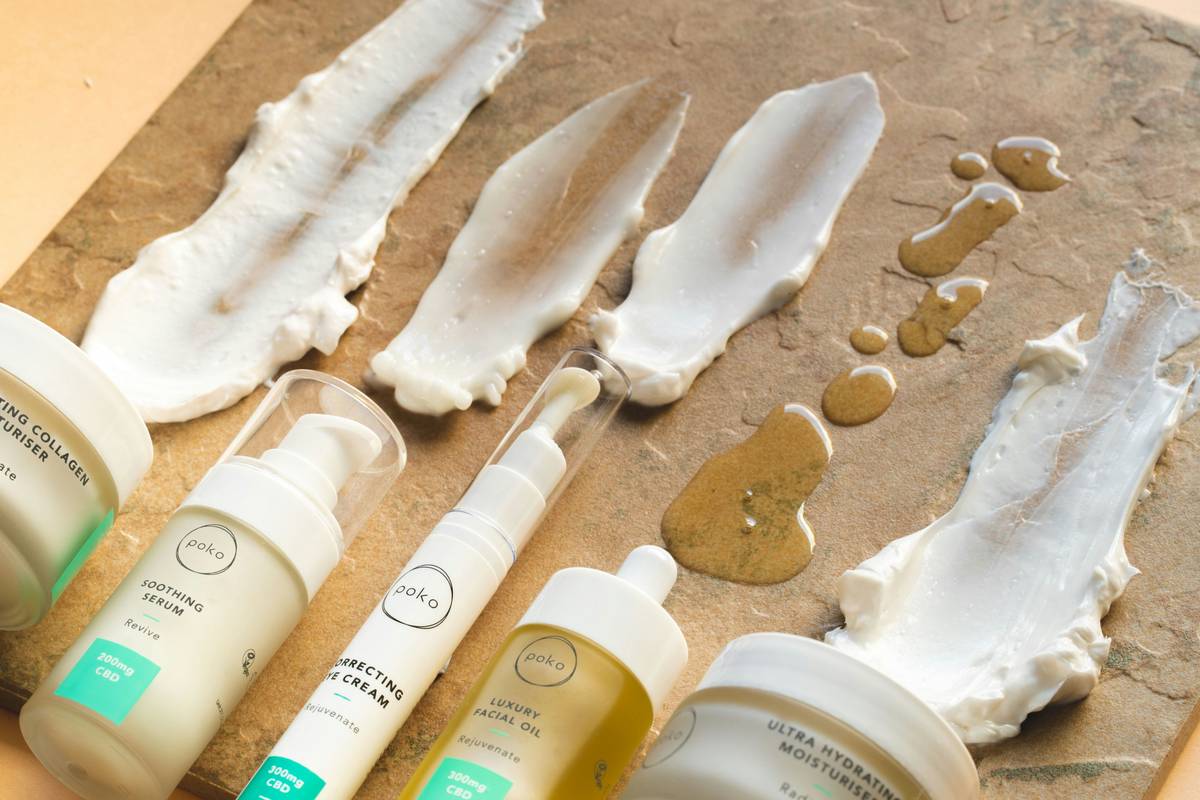
Unlike synthetic moisturizers that sit on the skin’s surface, marine plant extracts penetrate deeply to support the skin barrier. According to a 2021 review published in the journal Marine Drugs, certain green seaweeds demonstrate significant anti-aging and anti-inflammatory activity in human cell cultures (Marine Drugs, 2021). But here’s the catch: not every “seaweed-infused” product delivers on its promise. Many brands toss in trace amounts just to check the “natural” box—a practice known as “greenwashing.” That’s why ingredient transparency matters. At Eat Atlantic City, we prioritize traceable, ocean-to-jar sourcing because your skin deserves more than marketing fluff.
How to Use Organic Seaweed Safely: A Step-by-Step Guide
1. Verify the Source and Processing Method
Never use raw, wild-harvested seaweed directly on your skin. It may contain pollutants, heavy metals, or microbial contaminants. Opt for products using certified organic, cosmetic-grade extracts processed under GMP (Good Manufacturing Practice) standards.
2. Patch Test Before Full Application
Apply a small amount behind your ear or on your inner forearm. Wait 24–48 hours. Redness, stinging, or bumps mean your skin isn’t compatible—skip it.
3. Start with Low Concentrations
If you’re new to marine-based skincare, begin with leave-on serums or masks containing ≤2% seaweed extract. Gradually increase as your skin builds tolerance.
4. Combine with Complementary Ingredients
Green marine plants pair beautifully with hyaluronic acid (for hydration synergy) and niacinamide (to calm potential sensitivity). Avoid mixing with high-percentage AHAs/BHAs initially—they can amplify irritation.
Best Practices for Marine-Based Beauty Routines
- Avoid “miracle cure” claims. No single ingredient fixes everything. Green marine plants enhance—but don’t replace—core routines like cleansing and sun protection.
- Choose cold-extracted or enzyme-hydrolyzed formulas. These preserve delicate bioactives better than heat processing.
- Store properly. Seaweed extracts degrade in heat and light. Keep products in cool, dark places.
- Support sustainability. Look for certifications like MSC (Marine Stewardship Council) or ASC (Aquaculture Stewardship Council).
And here’s a terrible tip I’ve heard too often: “Just blend dried seaweed into your yogurt mask!” Don’t. Food-grade seaweed lacks cosmetic safety testing and can introduce bacteria or excessive iodine—triggering breakouts or thyroid concerns in sensitive individuals.
Real Results from Green Marine Ingredients
A 2020 double-blind clinical trial tested a cream containing 3% Ulva lactuca (a common green seaweed) on 40 women with dry, sensitive skin. After 28 days, participants reported a 32% improvement in skin hydration and a 27% reduction in transepidermal water loss (TEWL)—a key marker of barrier integrity (National Institutes of Health). One participant even noted reduced redness around her nose, an area prone to rosacea flare-ups.
At Eat Atlantic City, our customers frequently share similar wins—especially those switching from mineral-oil-heavy creams to lightweight marine gels. But remember: consistency and formulation matter more than the buzzword “organic.” Always check the full ingredient list. And if you’re curious about our process, feel free to reach out. We’re transparent by design—and yes, we comply with our own privacy policy when you message us!
FAQs About Organic Seaweed Skincare
Are green marine plants safe for acne-prone skin?
Yes—if formulated correctly. Their anti-inflammatory properties can soothe redness, but avoid thick, occlusive seaweed balms if you’re prone to clogged pores. Opt for gel-based serums instead.
Can I use green marine plants daily?
Generally, yes. Most cosmetic-grade extracts are gentle enough for daily use. However, if your product also contains exfoliants or retinoids, scale back to every other day.
Do green marine plants help with aging skin?
Evidence suggests yes. Compounds like fucoidan boost collagen synthesis and protect against UV-induced damage—key factors in preventing fine lines.
Is “organic seaweed” always better?
Not necessarily. Certification ensures no synthetic pesticides were used during cultivation, but wild-harvested seaweed (if tested for purity) can be equally potent. Focus on lab verification over labels alone.
Where are green marine plants typically sourced?
Common sources include the coasts of Ireland, Brittany (France), Nova Scotia, and the North Atlantic—including areas near Atlantic City. Sustainable harvesting is critical to prevent ecosystem disruption.
Can green marine plants cause allergic reactions?
Rarely, but possible—especially if you have iodine sensitivity or shellfish allergies (due to shared marine proteins). Always patch test first.
So, ready to dive deeper into the world of ocean-powered beauty? Skip the sketchy DIY hacks and embrace science-backed, responsibly sourced green marine plants that actually work. Your skin—and the sea—will thank you. Got questions? We’re all ears—contact us anytime.